The free bus push is spreading. The funding gap is growing.
The free bus push is spreading. The funding gap is growing.
Cities across America are promoting fare-free bus service as a way to ease household costs and improve access to public transit. At the same time, transit agencies are confronting operating deficits, expiring federal relief funds, and rising service demands.
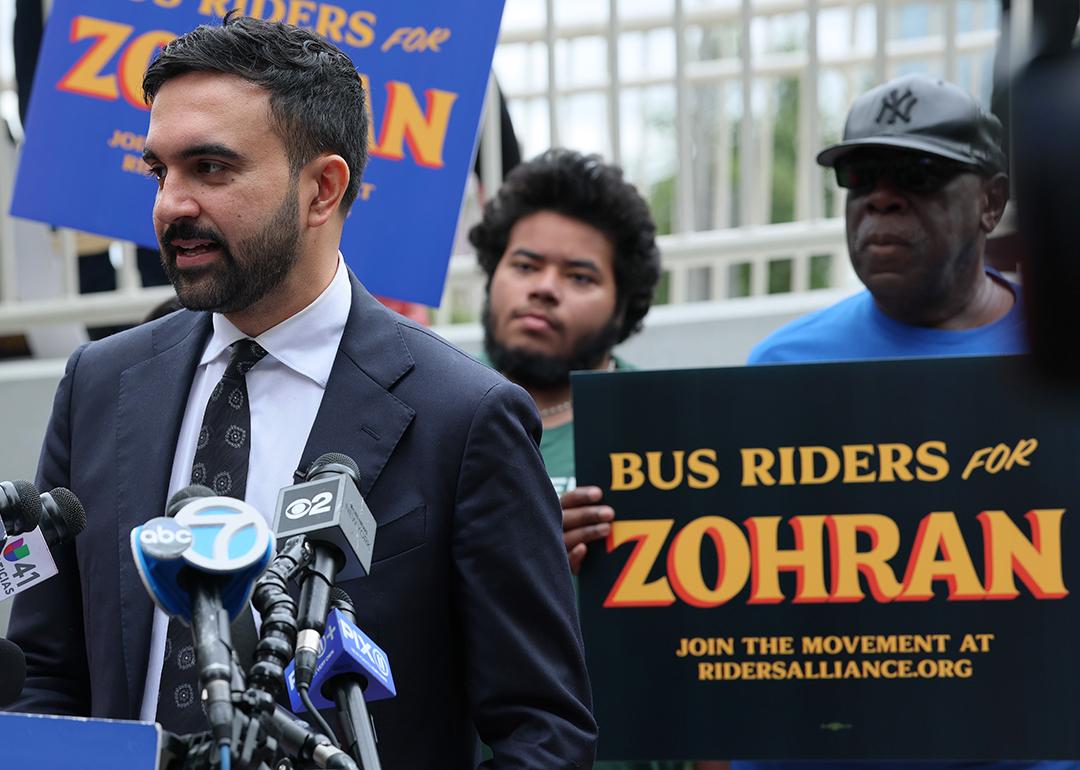
New York City has become the latest flashpoint in that debate. Mayor Zohran Mamdani has publicly backed expanding free bus service as part of his affordability agenda. But New York already tested fare-free buses. And the results offer a clearer picture of both the appeal and the limits of the policy, Buses For Sale reports.
New York already ran a fare-free bus pilot
The Metropolitan Transportation Authority operated a fare-free bus pilot on five routes — Bx18A/B, B60, M116, Q4, and S46/96 — from September 24, 2023 through August 31, 2024. Fares resumed on September 1, 2024.
The MTA’s one-year evaluation found that ridership increased on all five routes during the pilot. However, the agency reported “limited new ridership,” meaning most of the growth came from existing riders taking additional trips rather than from large numbers of brand-new riders.
In short, free fares boosted boardings. The pilot did not demonstrate a major influx of new transit users.
How much would free buses cost New York City?
The financial scale of eliminating fares citywide is significant. The New York City Independent Budget Office estimated that removing bus fares could reduce operating revenue by roughly $652 million per year under certain scenarios.
That estimate does not dictate policy. But it defines the magnitude of the tradeoff. Any permanent fare-free system would require replacing hundreds of millions in annual revenue through taxes, subsidies, or service changes.
Why are some cities bringing fares back?
While New York debates expansion, Kansas City is moving in the opposite direction.
The Kansas City Area Transportation Authority will reinstate a $2 bus fare beginning June 1, 2026, ending several years of fare-free service.
Local reporting estimates that reinstating fares could generate approximately $5.2 million for part of 2026, compared to an operating budget of roughly $95 million.
Kansas City’s shift reflects a broader challenge. When temporary funding sources expire, agencies must either replace lost revenue or adjust service.
Is San Antonio making buses free?
San Antonio is debating a different approach.
The city’s mayor has requested a six-month fare-free pilot on VIA Metropolitan Transit’s five busiest routes, with a proposed start date of July 1, 2026.
VIA leadership has publicly warned that eliminating fares could affect funding structures and potentially complicate major capital projects.
Transit employee union leaders have also raised concerns about operational impacts.
The proposal remains under discussion, underscoring that even limited pilots entail financial and operational trade-offs.
How do transit agencies pay for buses?
Passenger fares are only one part of transit funding. The Federal Transit Administration’s National Transit Database tracks farebox recovery ratios and operating revenue across U.S. systems.
Farebox recovery refers to the percentage of operating expenses covered by passenger fares. When fares are eliminated, agencies must replace that revenue through local taxes, state support, federal funding, or internal reallocations.
Selective free fares are spreading
Not all cities are pursuing universal fare-free service. Some have opted for targeted programs instead.
Boston has operated several MBTA bus routes fare-free using federal ARPA reimbursement funding, with the program scheduled through early 2026.
Los Angeles Metro offers GoPass, which provides free rides for eligible K-12 and community college students through September 2026.
These models limit revenue exposure while expanding access for specific groups.
A national affordability debate meets local budget math
The political appeal of free bus fares is clear. For riders, eliminating a daily fare reduces friction and lowers immediate out-of-pocket costs. For elected officials, it signals a tangible response to affordability concerns.
The financial equation is more complicated.
New York’s pilot showed increased ridership but limited evidence of large-scale new transit adoption. Kansas City is restoring fares after years of zero-fare service. San Antonio is weighing a pilot while transit leadership flags funding risks.
Across cities, the core question remains consistent: If riders no longer pay at the farebox, how will agencies replace that revenue? And for how long?
The answer varies by city. The budget math does not disappear.
This story was produced by Buses For Sale and reviewed and distributed by Stacker.