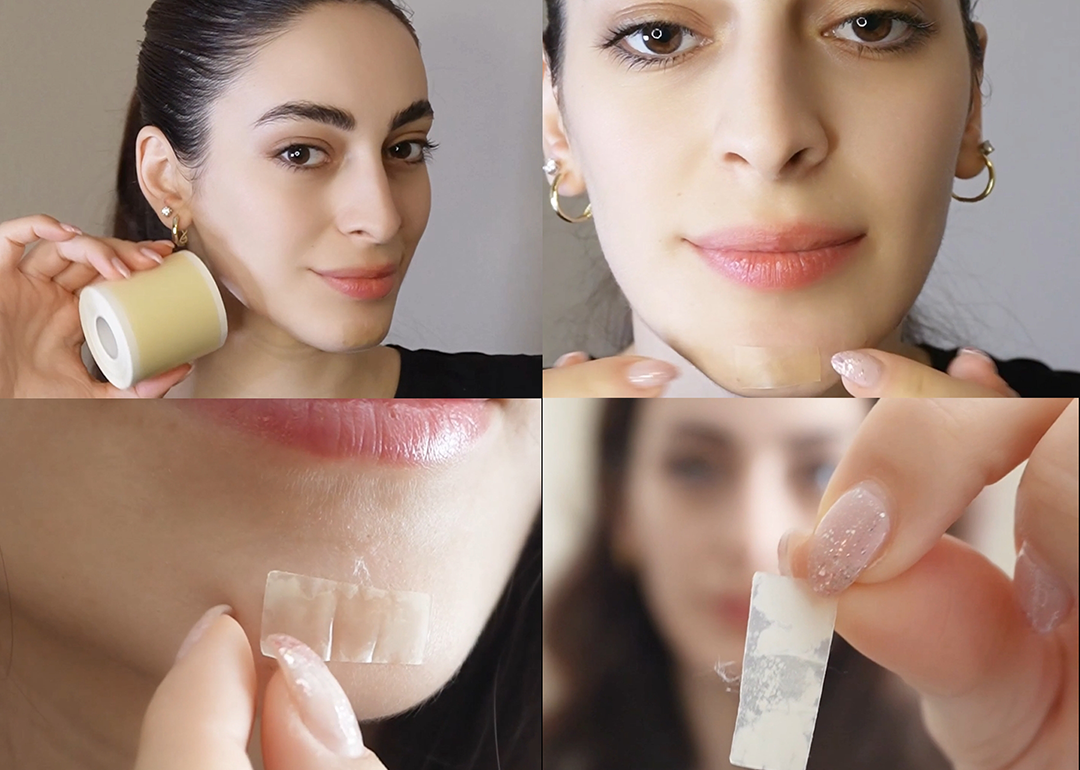
How TikTok viral videos are driving interest in hydrocolloid dressings for acne
How TikTok viral videos are driving interest in hydrocolloid dressings for acne
In the pre-social media era, the 1980s, 1990s, and early 2000s, treatments and solutions for acne didn’t really “go viral.” Instead, people discovered solutions through radio and television commercials, their favorite glossy magazines, or across the counter at their local pharmacy. Advice was a one-way street that moved from brands and experts to consumers.
These days, that advice can run in the opposite direction. A short TikTok video filmed on a phone in a kitchen or on a construction site can instantly propel an everyday product into millions of social media feeds. In one widely shared video clip on TikTok, a woman gave her partner a small strip of hydrocolloid dressing to press onto a small acne spot on his forehead. After leaving it overnight, it had absorbed a visible amount of exudate (fluid that comes out of a wound or inflamed area) from his spot.
What were they actually developed for?
The product wasn’t designed for social media fame. But hydrocolloid dressings have long been used for wound care and are now part of a growing online conversation about simple, visible solutions for minor skin concerns and other wounds with low exudate. The material turns into a soft gel when it comes into contact with exudate. As exudate is absorbed, the dressing maintains a moist environment over the affected area while shielding it from friction and outside contaminants. The balance of absorbing small to moderate amounts of exudate while protecting the surface of the skin is designed to support the body’s natural healing process, not replace it.
That’s why some people try it on acne spots. Zits often contain exudate and can be irritated by repeated squeezing, touching, makeup application, or contact with clothing. A hydrocolloid dressing sits close to the skin and is typically discreet once applied, so some people use it during the day, including under makeup. Dermatologists generally emphasize that hydrocolloids don’t treat the underlying causes of acne, but they can function as a protective layer at the surface level for certain types of skin breakouts.
Another detail that stands out in many viral videos is the format itself. Most consumers are familiar with small, pre-cut acne patches sold in standardized shapes and sizes. Hydrocolloid rolls are different as they come as a continuous strip of material that can be trimmed to fit a specific area. Instead of selecting from a fixed set of patch sizes, users can cut a piece that matches the shape and size of an individual blemish.
Flexibility is appealing
Unlike pre-cut patches, a roll can be trimmed to fit different areas and used for more than one purpose. For some consumers, instead of buying separate products for different needs, a roll format allows customization and potentially longer use over time. This saves money and is easier to use.
Hydrocolloid dressings are typically evaluated for how they interact with skin before being sold. This testing becomes especially relevant when people begin using a product on the face where skin can be more sensitive and visible reactions matter more.
According to testing documentation provided by Dimora Medical, the hydrocolloid roll shown in viral videos underwent laboratory evaluations for both irritation and cellular response. In irritation testing conducted under internationally recognized standards, the sample showed no evidence of irritation under the conditions of the study. Consumers considering viral applications are generally advised to follow usage instructions and discontinue use if irritation occurs.
On social media, simple products often get the most attention. Hydrocolloid dressings were developed for specific types of wounds, typically those that produce small to moderate amounts of exudate. That mechanism can overlap with certain types of acne so it’s worth remembering that not every breakout is the same. More widespread skin conditions may require different approaches.
Usage instructions are key
Following usage instructions is also very important. What works in a short video demonstration may not account for differences in skin type, sensitivity, or underlying conditions. Viral demonstrations can offer ideas, but they’re not medical guidance. Individuals with persistent or severe acne are generally advised to consult a healthcare professional rather than rely solely on social media trends. Through short, shareable demonstrations, hydrocolloid dressings have entered a different kind of conversation that’s shaped less by advertising campaigns as it was in the past and more by everyday observation.
Keeping it simple
Viewers are not drawn to technical language or brand messaging, but the simplicity of what they see in a short video on TikTok. A strip was applied. A night passed. A visible change was revealed. That kind of shared experience travels quickly online, especially when it feels practical and easy to replicate.
Whether hydrocolloid dressings remain a fixture in acne routines or fade as the next trend emerges, their online moment illustrates something larger. Social media platforms continue to reshape how consumers discover, test, and reinterpret products, often blurring the line between medical supply and everyday solution in the process.
This story was produced by Dimora Medical and reviewed and distributed by Stacker.